Get Dead Tree Removal in Lubbock, TX
Dead Tree Removal services for Lubbock, TX, and nearby areas address hazardous or dead trees, storm-damaged branches, and large tree pruning or removal projects.
Dead tree removal services are often considered by property owners in Lubbock, TX to address safety concerns and prevent potential hazards. Dead or dying trees can pose risks of falling limbs or entire trees, especially during strong winds or storms common in the area. Removing these trees helps reduce the likelihood of property damage or injury, creating a safer environment for families, pets, and visitors.
Beyond safety, removing dead trees can enhance the overall appearance and functionality of a property. Clearing out decaying or unsightly trees improves curb appeal, making outdoor spaces more inviting and well-maintained. Additionally, it can help prevent ongoing decay that might attract pests or lead to further deterioration, ultimately supporting the durability of remaining landscape features and reducing future maintenance needs.
- Dead Tree Removal - Necessary when a tree poses a risk of falling due to disease, decay, or storm damage.
- Dead Tree Removal - Needed to prevent potential damage to property or injury to people in residential or commercial areas.
- Dead Tree Removal - Required when dead trees obstruct views, sunlight, or interfere with power lines in neighborhoods near Lubbock, TX.
- Dead Tree Removal - Important for clearing space for new landscaping or construction projects on residential or commercial properties.
- Dead Tree Removal - Essential when dead trees become a safety hazard after severe weather events in nearby communities.
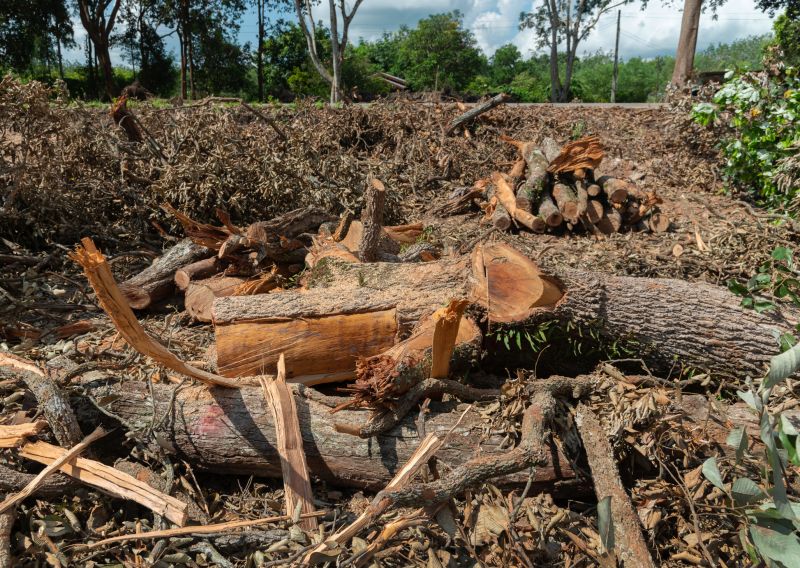
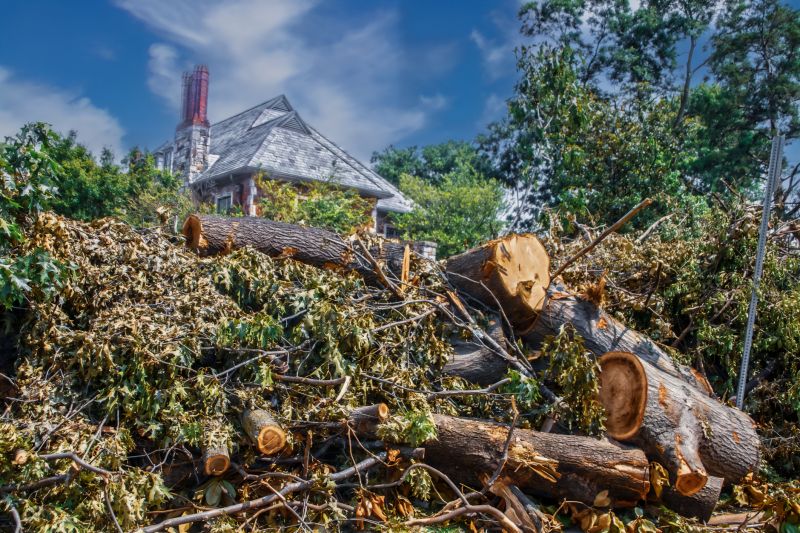
Dead tree removal services involve the safe and efficient removal of trees that are dead, decaying, or pose a risk to nearby structures and people. The process typically includes assessing the condition of the tree, determining the safest approach for removal, and then executing the cuttings to prevent damage to surrounding property. Professionals use specialized equipment and techniques to ensure that the tree is taken down in a controlled manner, minimizing potential hazards during the process. This service is essential for maintaining the safety and aesthetic appeal of a property, especially when a dead or dying tree threatens to fall or has already become unstable.
Removing dead trees addresses several problems that can arise on residential, commercial, and public properties. Dead trees can become hazardous as they are more susceptible to falling during storms or high winds, which can cause damage to buildings, vehicles, or injure people nearby. Additionally, decaying trees can attract pests such as insects or fungi, which may spread to healthy trees or structures. Overgrown or dead trees can also obstruct views, block sunlight, or interfere with utility lines. By removing these trees, property owners can prevent accidents, reduce pest issues, and improve the overall appearance of their outdoor spaces.
The types of properties that typically utilize dead tree removal services include residential homes, commercial complexes, parks, and public spaces. Residential properties often require removal when a tree becomes a safety concern or detracts from the landscape’s visual appeal. Commercial properties, such as shopping centers or office parks, may seek removal to maintain a secure environment and uphold their aesthetic standards. Public parks and community spaces also benefit from dead tree removal to ensure visitor safety and preserve the natural beauty of the area. Regardless of the property type, professional removal services help manage potential risks associated with dead or hazardous trees.
Engaging with local pros for dead tree removal ensures that the work is performed safely and efficiently. These service providers are equipped with the necessary tools and expertise to handle trees of various sizes and conditions. They can assess the urgency of removal, plan the best approach, and execute the job with minimal disruption to the surrounding environment. Property owners interested in maintaining safety and visual appeal can contact local experts to receive tailored solutions for dead tree removal needs. This helps ensure that potentially hazardous trees are managed properly, reducing the likelihood of accidents or property damage.
The overview below groups typical Dead Tree Removal projects into broad ranges so you can see how smaller, mid-sized, and larger jobs often compare in Lubbock, TX.
In many markets, a large share of routine jobs stays in the lower and middle ranges, while only a smaller percentage of projects moves into the highest bands when the work is more complex or site conditions are harder than average.
Tree Removal Costs - The cost for removing a dead tree typically ranges from $200 to $1,000, depending on size and location. Smaller trees may be on the lower end, while larger, more complex removals can be more expensive. Local pros can provide specific estimates based on the tree's characteristics.
Stump Grinding Expenses - Stump grinding services generally cost between $75 and $300 per stump. The price varies with stump size and accessibility, with larger stumps requiring more extensive work. Contact local providers for tailored quotes.
Labor and Equipment Fees - Labor charges for dead tree removal services can range from $50 to $150 per hour. Additional fees may apply for specialized equipment or complex removals, with costs influenced by tree height and proximity to structures. Local contractors can clarify pricing based on project details.
Additional Service Charges - Extra services such as hauling away debris or land clearing might add $100 to $500 to the overall cost. These fees depend on the scope of work and debris volume, with local pros offering detailed estimates for specific needs.
Actual totals will depend on details like access to the work area, the scope of the project, and the materials selected, so use these as general starting points rather than exact figures.
Dead Tree Removal services involve the safe and efficient removal of hazardous or unwanted dead trees from residential or commercial properties. Local pros can assess tree conditions and perform the necessary removal to maintain property safety.
Emergency Dead Tree Removal is needed when dead or dying trees pose immediate risks, such as falling branches or instability, especially during storms or high winds. Specialists are available to respond quickly and mitigate potential damage.
Stump Grinding and Removal services include extracting remaining tree stumps after dead tree removal, helping to clear the area for landscaping or future projects. Professionals use specialized equipment to ensure thorough stump removal.
Hazard Tree Assessment involves evaluating the stability and health of dead or decaying trees to determine if removal is necessary to prevent accidents. Local arborists can provide expert assessments for property safety.
Land Clearing for Dead Tree Removal services assist in clearing large areas affected by dead trees, making space for new landscaping, construction, or development projects. Experienced contractors handle large-scale removals efficiently.
Tree Pruning and Trimming related to dead trees involves removing dead or diseased branches to improve tree health or prepare for removal. Skilled professionals ensure proper pruning to prevent further hazards.
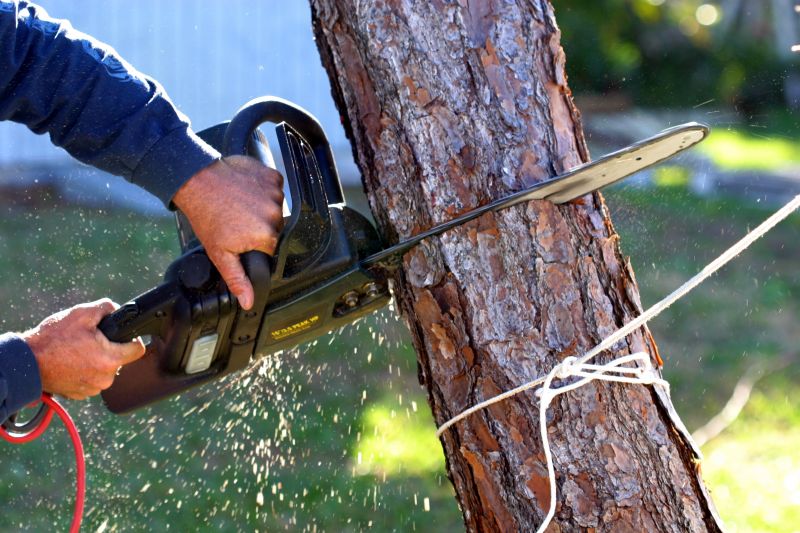
When selecting a professional for dead tree removal, it is important to consider the experience of the service providers. Established local contractors often have a history of handling similar projects, which can contribute to more efficient and effective removal processes. Homeowners should look for providers who can demonstrate a solid track record within the community, ensuring they have the practical knowledge needed for various tree removal scenarios.
Clear communication and written expectations are essential when working with local pros for dead tree removal. Reputable service providers typically provide detailed estimates and scope of work agreements, helping homeowners understand what to expect throughout the process. Transparent communication can also facilitate smoother scheduling, addressing any questions or concerns before work begins, and ensuring all parties are aligned on the project’s specifics.
Reputable references and a strong reputation within the community are valuable indicators of quality service. Homeowners are encouraged to seek out local pros with positive feedback from previous clients, which can provide insights into their professionalism and reliability. While the site introduces multiple local options, it is important to verify each provider’s reputation independently. Effective communication and demonstrated experience are key factors that can help homeowners find qualified professionals capable of safely and efficiently removing dead trees from their property.
Property owners in Lubbock, TX use Dead Tree Removal services for practical projects around their homes and businesses. The sections below highlight everyday jobs and straightforward project options.
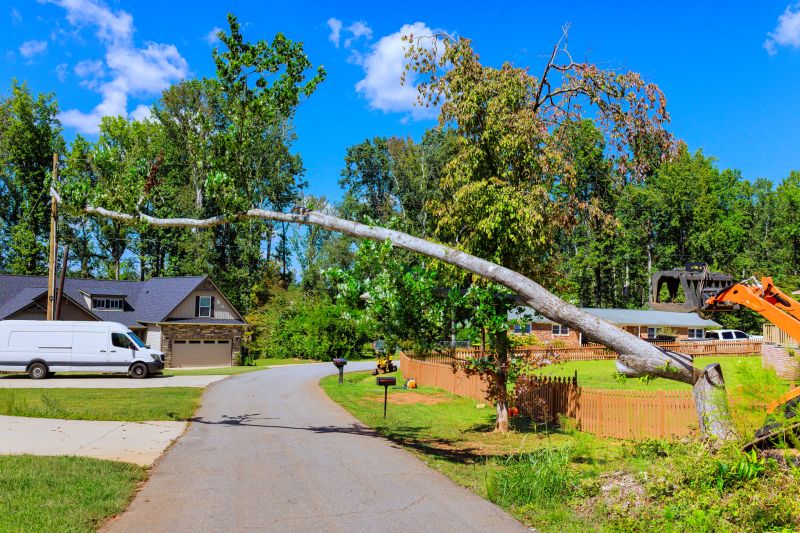
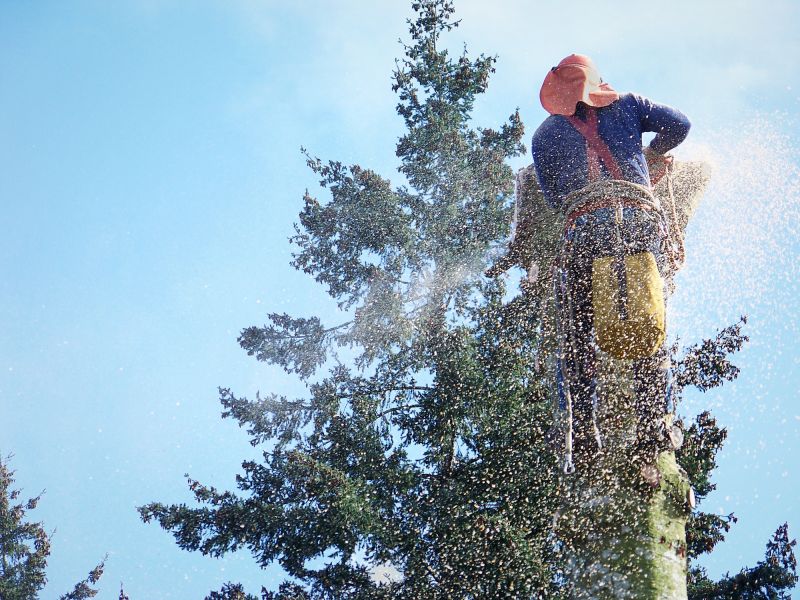
Dead tree removal services are often sought by property owners in Lubbock, TX, when trees become hazardous due to disease, decay, or storm damage. Removing dead or dying trees can help prevent potential hazards such as falling branches or toppling trunks that could cause property damage or injury. Local contractors provide the expertise needed to safely and efficiently remove problematic trees, ensuring the safety and appearance of residential and commercial properties.
Additionally, property owners may choose dead tree removal when preparing for landscaping projects, construction, or property upgrades. Removing dead or unwanted trees can improve curb appeal and create space for new plantings or structures. Local service providers in Lubbock can assist with these projects, offering professional removal that helps maintain the safety and aesthetics of the property.
What is dead tree removal? Dead tree removal involves the process of safely cutting down and removing trees that are no longer living or pose safety hazards.
Why should I consider removing a dead tree? Removing a dead tree can prevent potential damage to property and reduce risks to people and nearby structures.
How do local service providers handle dead tree removal? Professionals typically assess the tree, plan the removal process, and use specialized equipment to ensure safe and efficient removal.
Are there any permits required for dead tree removal? Permit requirements vary by location; contacting local authorities or service providers can clarify if permits are necessary.
What should I do before scheduling dead tree removal? It’s advisable to evaluate the tree’s location and potential impact, and to contact local pros for assessment and planning assistance.
Dead Tree Removal Services - Local tree care professionals can safely and efficiently remove dead or hazardous trees from residential and commercial properties.
Emergency Dead Tree Removal - Pros are available to handle urgent situations involving fallen or dangerously leaning dead trees that pose safety risks.
Stump Grinding and Disposal - After tree removal, specialists can grind and remove stumps to improve landscape safety and appearance.
Dead Tree Health Assessment - Experts can evaluate the condition of trees to determine if removal is necessary or if alternative care options are appropriate.
Considering Dead Tree Removal for a property in Lubbock, TX? The sections above highlight common project types, practical options, and details that often shape the scope of work.
When you are ready, use the quote form to share a few details about your project. Local pros can review the basics and respond with options that match what you have in mind.